
Why does a socket get hot, and how dangerous is it?
A socket getting slightly warm under a heavy load is sometimes normal. But if it is clearly hot to the touch, smells of burnt plastic or changes colour, that is a serious sign of an electrical fault. Ignoring it can end in damaged wiring, a broken appliance or, at worst, a fire.
Hot sockets are one of the most common reasons people in Tbilisi call an electrician. Often the problem is only noticed once the socket is already damaged or the breaker starts tripping.
This article covers the 5 most common reasons a socket overheats and how to fix each one.
1. Weak or loose contacts
Loose contacts are the most common cause of a hot socket.
Over time the clamps inside a socket lose their grip. When the plug no longer sits firmly in the contacts, current flows through a higher resistance, and higher resistance produces heat.
Signs
- the socket gets hot only when a particular appliance is plugged in;
- you see sparks;
- the plug moves around freely;
- you hear a faint crackling.
The fix
The socket has to be opened and the contacts checked. Tightening them is often enough, but an old socket is better replaced completely.
2. An overloaded circuit
Many people plug all of these into one socket:
- an electric heater;
- a microwave;
- a kettle;
- a TV;
- a computer.
Adapters and extension leads are often used to do it.
When a point is rated, for example, for 16 amps and the real load goes above that, the cable and the socket start to overheat.
The heaviest loads come from:
- electric heaters;
- air conditioners;
- washing machines;
- electric ovens;
- electric boilers.
The fix
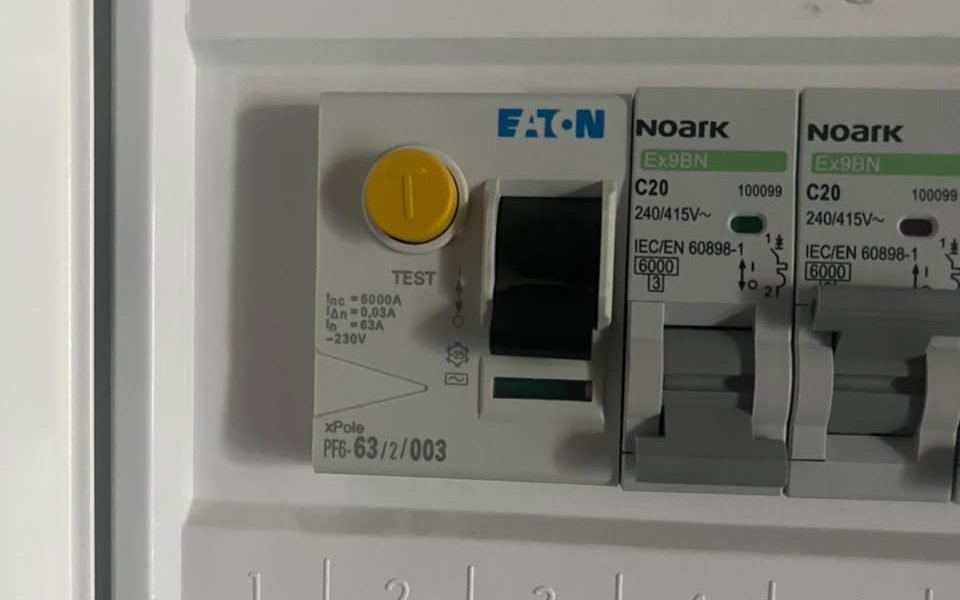
Powerful appliances should be on their own circuit. In modern flats, separate breakers are recommended for high-power appliances.
3. Damaged or old wiring
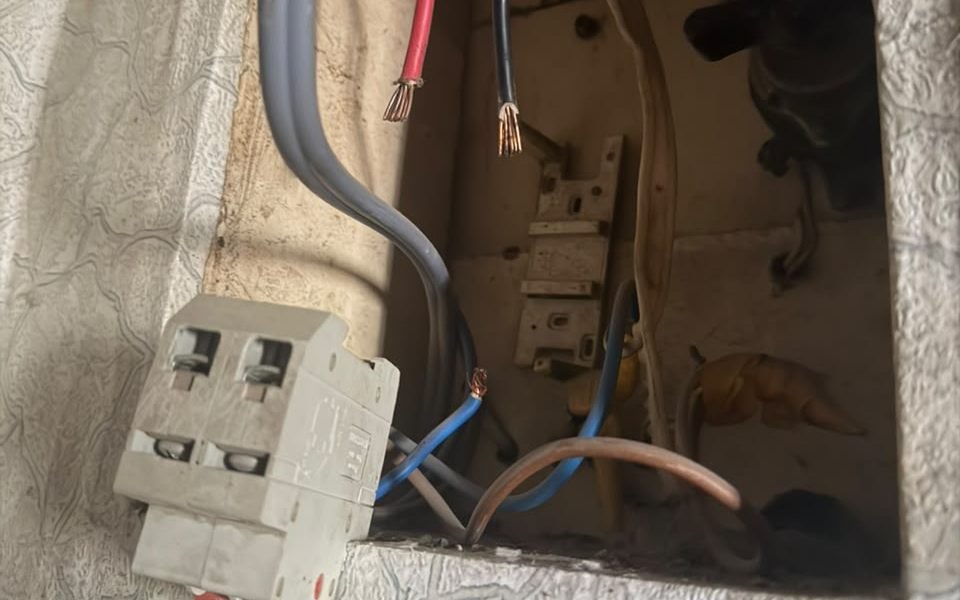
Many Tbilisi flats still have old aluminium wiring that was installed several decades ago.
Wiring like that often:
- oxidises, especially at the joints;
- loses conductivity;
- cannot handle the load of modern appliances.
As a result the cable's resistance rises and it produces extra heat.
Signs
- not just the socket but the wall gets warm too;
- the breaker trips often;
- the lights flicker now and then;
- problems start in several rooms at once.
The fix
If the flat is more than 20-30 years old and the wiring has never been replaced, a professional electrician should check the whole system. Sometimes a full rewire is needed.
4. A poor-quality socket or cheap materials
The market is full of low-quality sockets that look fine but have, inside:
- thin contacts;
- weak clamps;
- low-grade plastic.
Sockets like these cannot take a long load and heat up quickly.
Very cheap products from unknown manufacturers are the biggest problem.
Recommended brands
- Schneider Electric
- Legrand
- ABB
- Gira
- Viko
A quality socket lasts much longer and is safer.
The fix
If a socket heats up often and you do not know where it came from, it is better replaced with a certified product.
5. Bad installation
Sometimes the problem lies in mistakes made during installation.
The most common mistakes are:
- wires not clamped tightly;
- different types of wire joined the wrong way;
- a cable with the wrong cross-section;
- contacts not fully insulated.
A badly installed socket can work normally for several months and then gradually start to overheat.
Risks
- a short circuit;
- the breaker tripping;
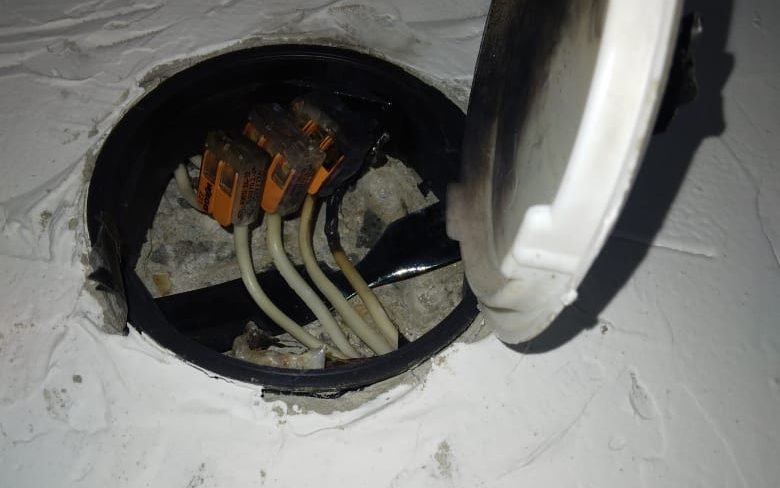
- a melted cable;
- a fire.
The fix
A professional electrician has to check the socket and reinstall it to safety standards.
When should you call an electrician straight away?
Call a specialist straight away if:
- you smell burnt plastic;
- the socket changes colour;
- the wall is getting warm;
- you hear crackling or see sparks;
- the breaker trips often;
- the plug starts to melt.
In that case stop using the socket until the problem is fixed.
Conclusion
A hot socket should never be treated as a minor problem. The most common causes are loose contacts, an overloaded circuit, old wiring, a poor-quality socket and bad installation. Catching the problem early protects you from expensive repairs and dangerous accidents.
If a socket in your flat or office is getting hot, smells or sparks, have it diagnosed straight away and the damaged parts replaced where needed.
Need an electrician in Tbilisi? Labex diagnoses and repairs sockets, switches, breakers and wiring in every district of Tbilisi. About the service: socket and switch installation and repair.